
Overview
The objective of this program is to promote the protection and preservation of the environment through significant actions, such as civic education
and community action. It is a civic commitment aimed at:
Contributing to the adoption of sustainable solutions (recycling, renewable energy, reforestation, etc.).
- Reducing the effects of pollution (plastic, air, domestic, noise, waste, etc.)
- Encouraging a culture of responsibility in waste management.
- Rehabilitating degraded public parks.
- Raising awareness of the ecological alert.
- Promoting access to essential resources such as drinking water.
- Contributing to the adoption of sustainable solutions (recycling, renewable energy, reforestation, etc.).
Objectives
- Encouraging eco-responsible behavior within urban and rural communities.
- Reducing plastic waste and recycling its transformation.
- Establishing efficient and accessible waste collection systems.
- Improving access to drinking water in vulnerable areas.
- Raise awareness of ecological issues among young people from schools.
- Fighting deforestation and restoring local ecosy
Targeted Communities
- Students and teachers of elementary and secondary schools.
- Youth from targeted neighborhoods.
- Rural families.
- Urban populations in cities such as Douala and Yaoundé.
- Local authorities and municipal councils.
- Community development associations and committees.
- Women’s and youth volunteer groups.

Areas of intervention
Environmental awareness and education
- Creation of an Eco-Club for School Ecological Clubs.
- Organization of awareness-raising workshops in schools, neighborhoods, and villages.
- Information campaigns on social networks, local radio, and markets.mentSustainable waste manage

Recycling of plastic waste
- Collection, sorting, and transformation of plastic waste into useful objects (paving stones, benches, etc.).
- Collaboration with start-ups or recycling craftsmen.

Establishment of community garbage bins
- Installation of bins at strategic points in neighborhoods, labeled with the name of the “Let’s Be One Foundation”.
- Deployment of additional small bins in high-traffic areas.

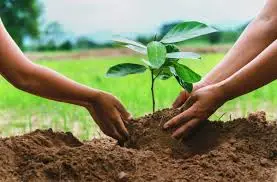
Tree-planting Campaign in urban and rural areas
- Raising awareness of the effects of deforestation.
- Partnering with schools to sponsor trees.

Access to drinking water
- Project: Creation of public fountains (boreholes)
- Construction of wells or boreholes in areas of high-water vulnerability.
- Installation of free fire hydrants
Outcomes
- Significant reduction in unsanitary conditions in the targeted neighborhoods.
- Establishment of sustainably functional collection points.
- Raising awareness of ecological issues among hundreds of young people.
- Recovery of several tons of plastic waste. • Improved access to clean water for entire communities.
- Planting thousands of trees to restore local biodiversity.
Potential partners and supporters
- Town halls and municipalities.
- Schools
- Local and international NGOs.
- Private companies (in the context of CSR).
- Neighborhood associations and youth groups.
- Ministry of the Environment, Ministry of Education.